







- Press release
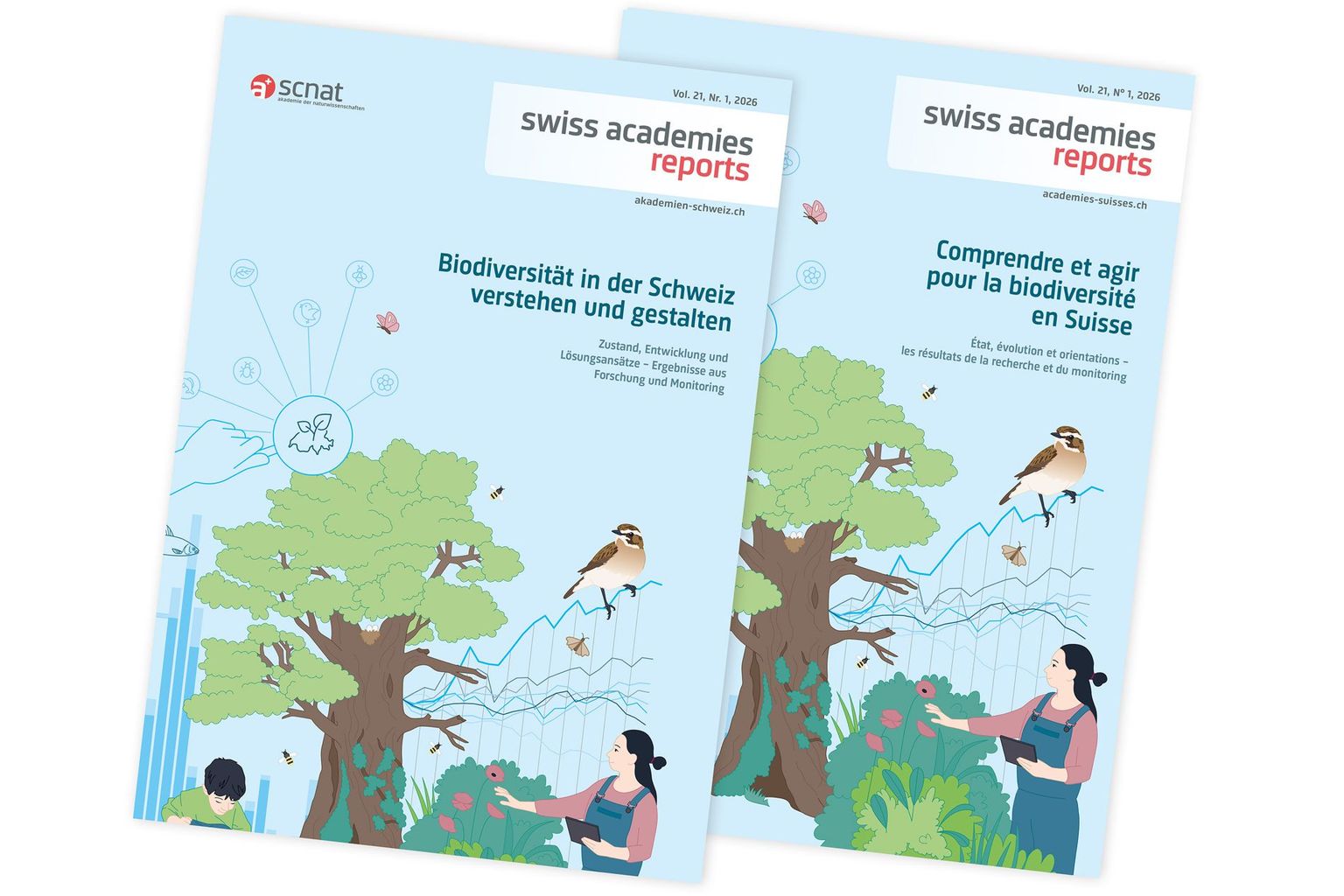
Gesamtschau Biodiversität: Zustand ungenügend, aber einzelne positive Entwicklungen seit 2010
Image: SCNAT / tnt-graphics1/13- Press release
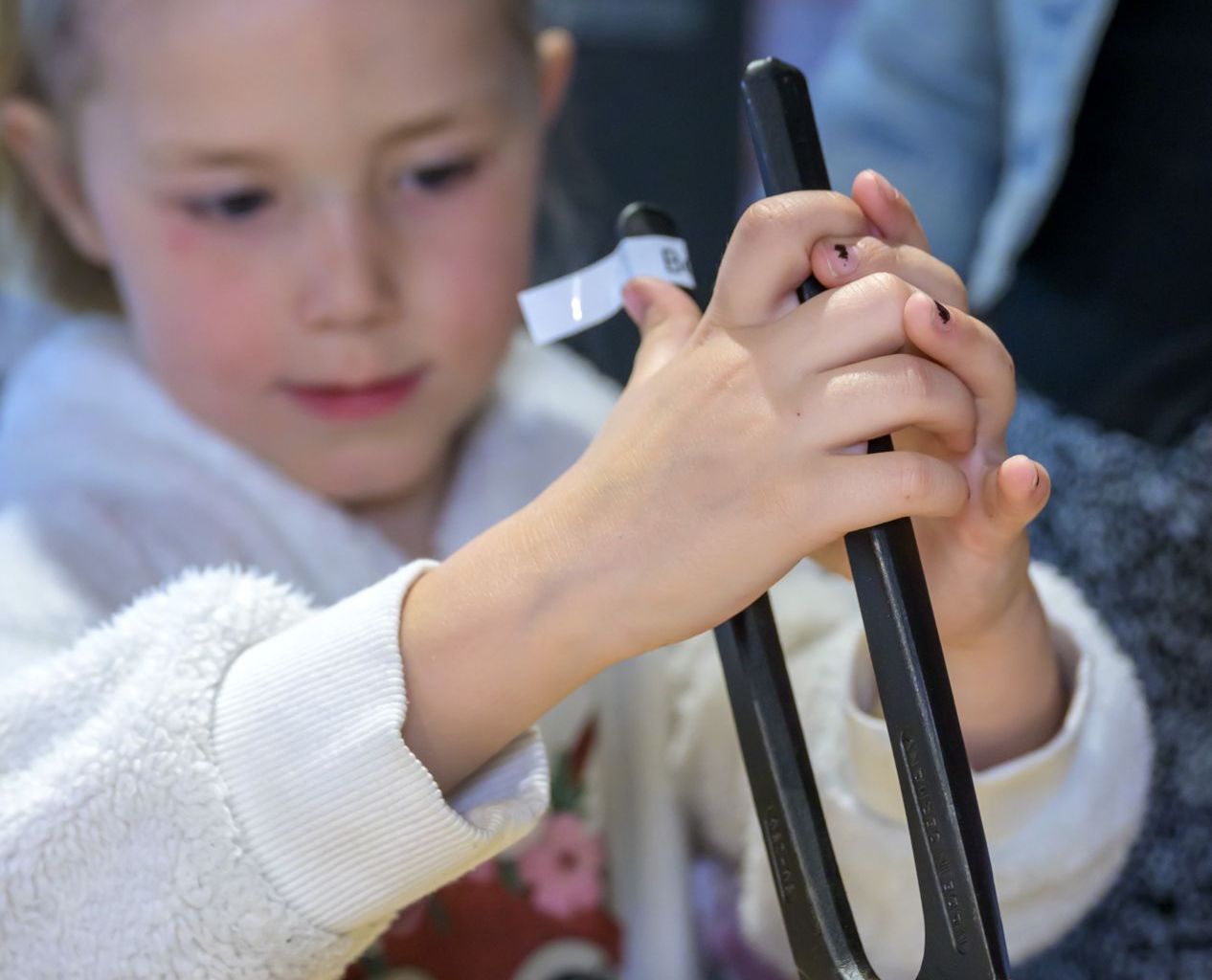
Wie vor 100 Jahren in Arosa die Grundlagen fürs Smartphone entstanden
Image: Andres Jordi2/13- Press release
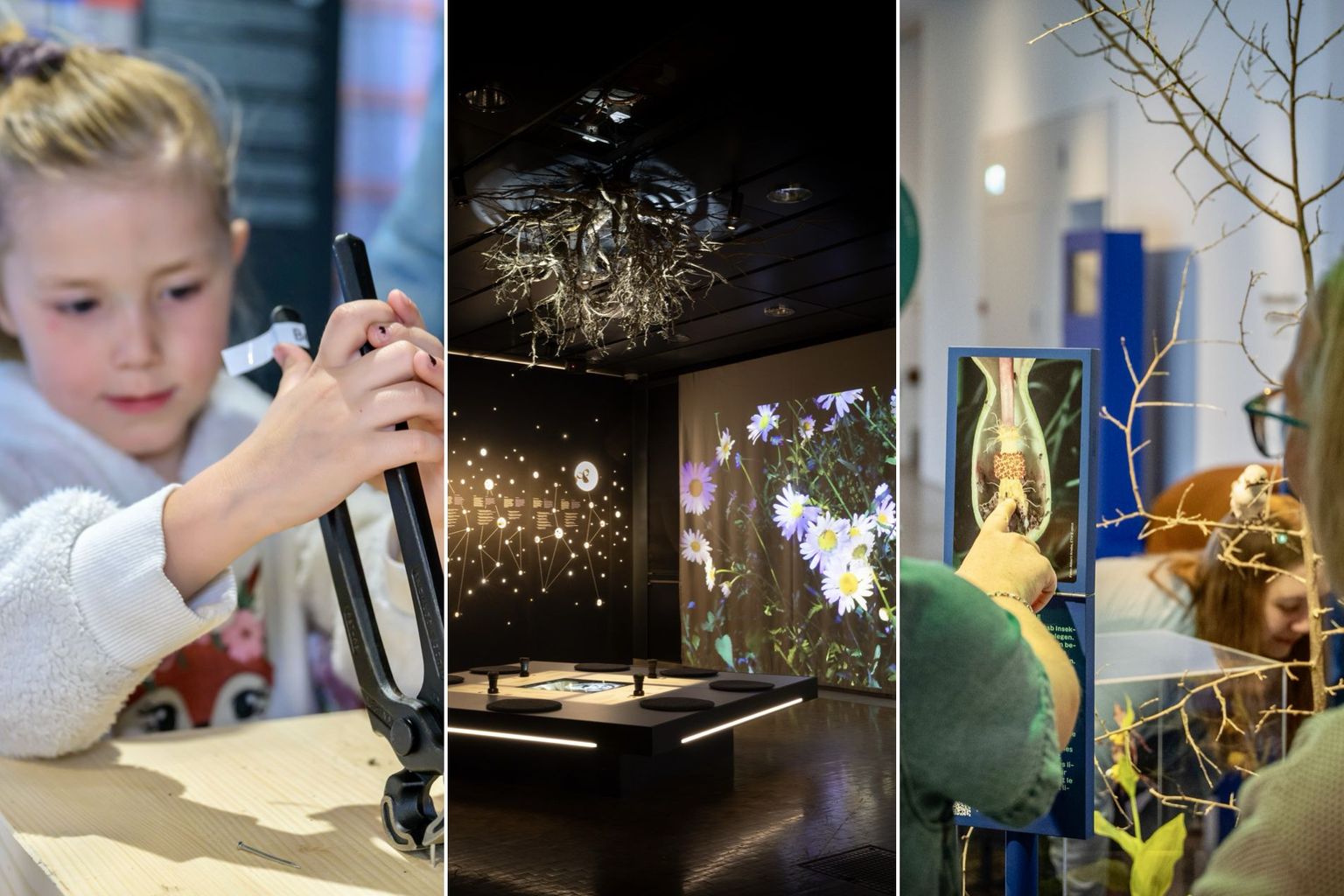
Der Prix Expo 2025 für die beste naturwissenschaftliche Ausstellung der Schweiz geht an das Museum.BL in Liestal
Image: Museum.BL3/13- News
Nachtisch – Nachhaltigkeit im Gespräch: der neue Podcast der SCNAT
4/13- News
How to achieve good research collaboration
Image: SCNAT5/13- Press release
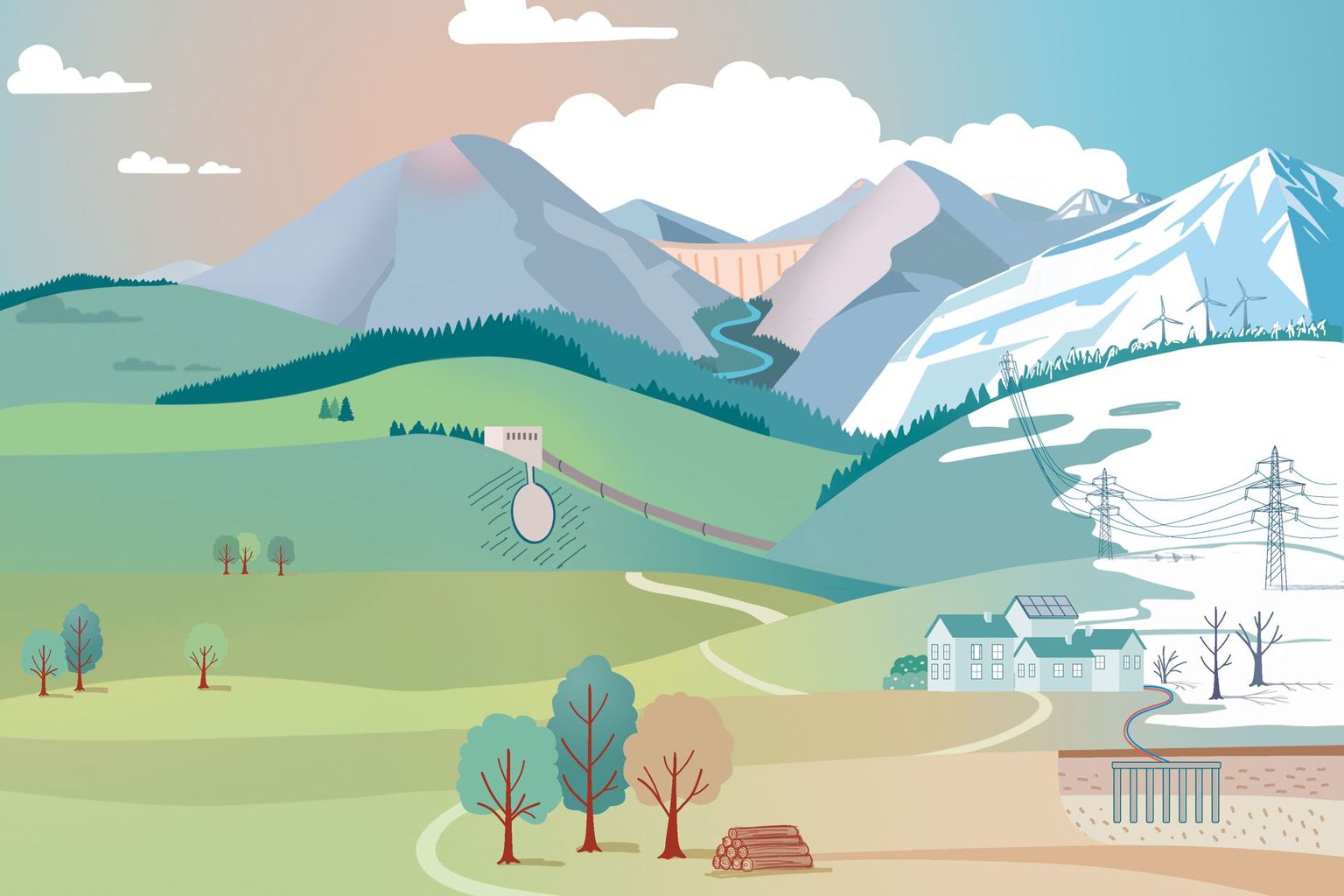
Schweiz braucht klare Rahmenbedingungen für saisonale Energiespeicher
Image: Sandra Schwab6/13- News
Diese Museen stehen auf der Shortlist für den Prix Expo 2025
Image: SCNAT7/13- Press release
And Swiss glaciers continue to melt
Image: Matthias Huss8/13- Press release
A national science advice network to anticipate crises and support the authorities
Image: a+9/13- Press release
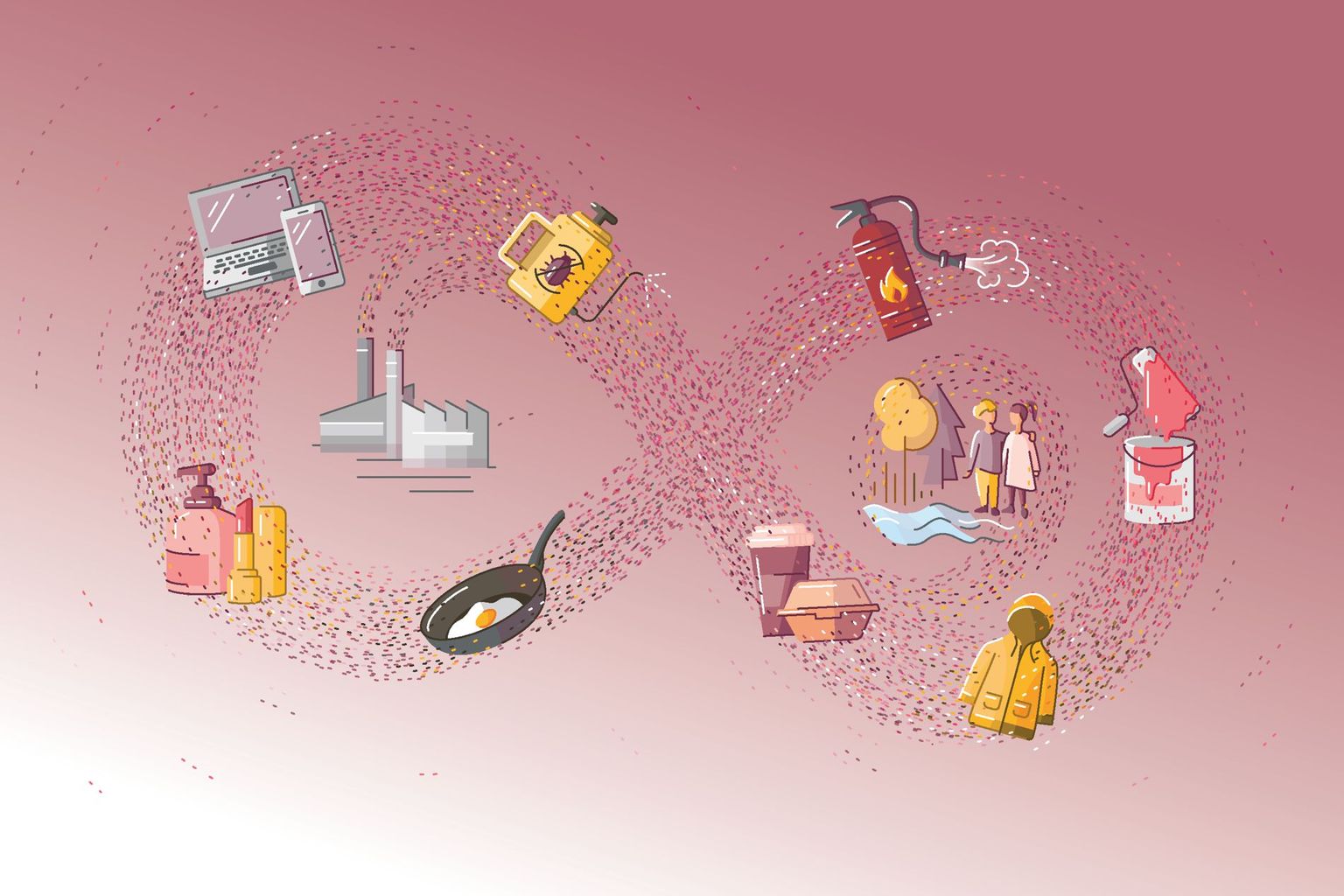
Weitgehenden PFAS-Ausstieg schrittweise und international koordiniert angehen
Image: Monika Rohner, www.monikarohner.com10/13- Press release
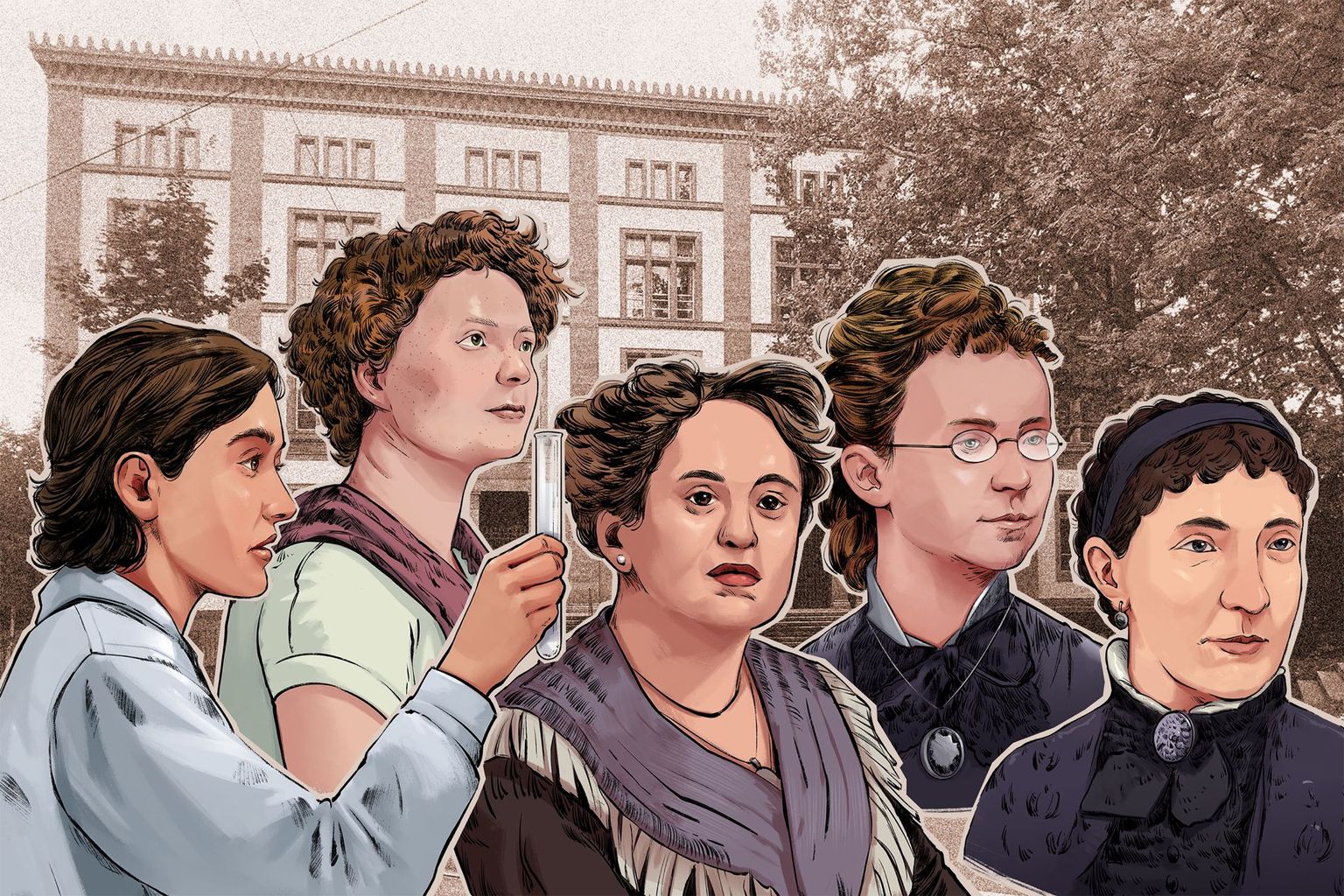
The University of Zurich as the global pioneer for the first female doctors of chemistry
Image: Gregor Forster / Monique Borer11/13- Press release
Zulassung neuer Züchtungstechnologien stärker auf tatsächliche Risiken ausrichten
Image: Steven Weeks - Unsplash12/13- Press release
Neues Kernkraftwerk in der Schweiz frühestens 2050
Image: SCNAT13/13
In focus



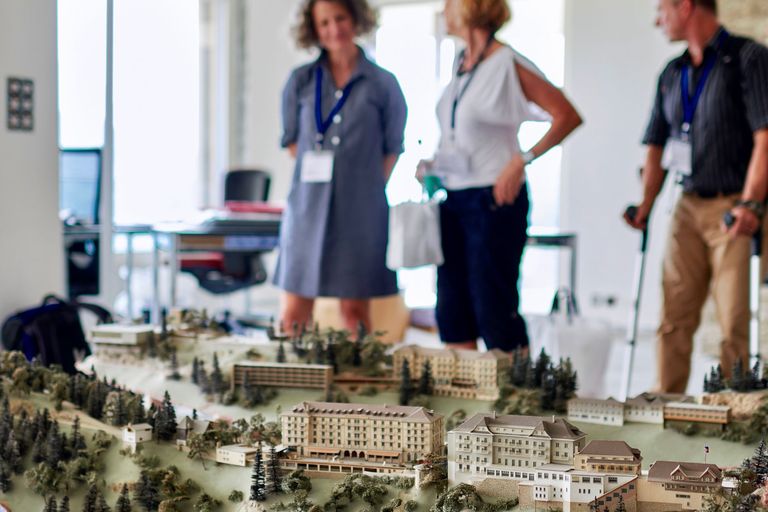
Swiss Landscape Congress
Landscapes are constantly changing – whether due to natural processes, human activities or changing perceptions. At the Swiss Landscape Congress, representatives from the fields of politics and practice, research and educationteaching meet to discuss and develop solutions for the qualitative development of the Swiss landscape. Website (in German or French)
Products
Contact
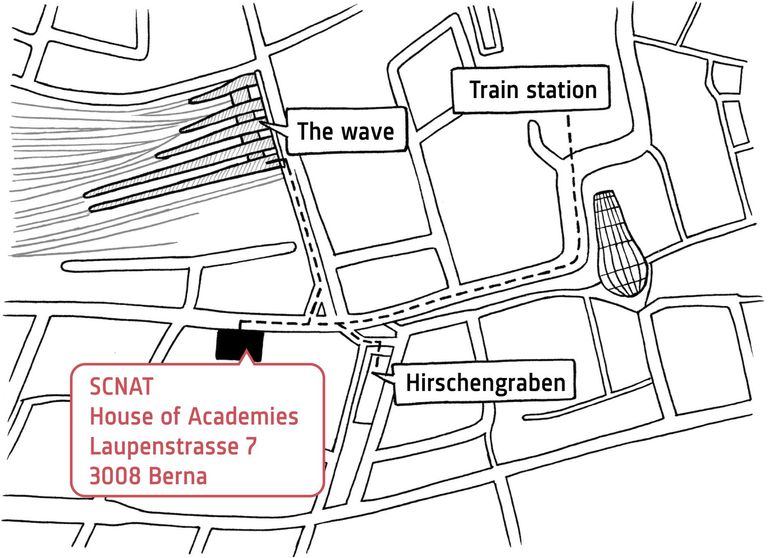
Swiss Academy of Sciences (SCNAT)
House of Academies
PO Box
3001 Bern
Switzerland
Stay informed
The platforms of SCNAT
The platforms deal with topics that are important to social and science policy. They also unite the specialist societies of the various scientific disciplines as well as the Cantonal and Regional societies under their umbrella.